Outdoor Living
How to Plan an Outdoor Living Space in East Tennessee
Published September 30, 2026
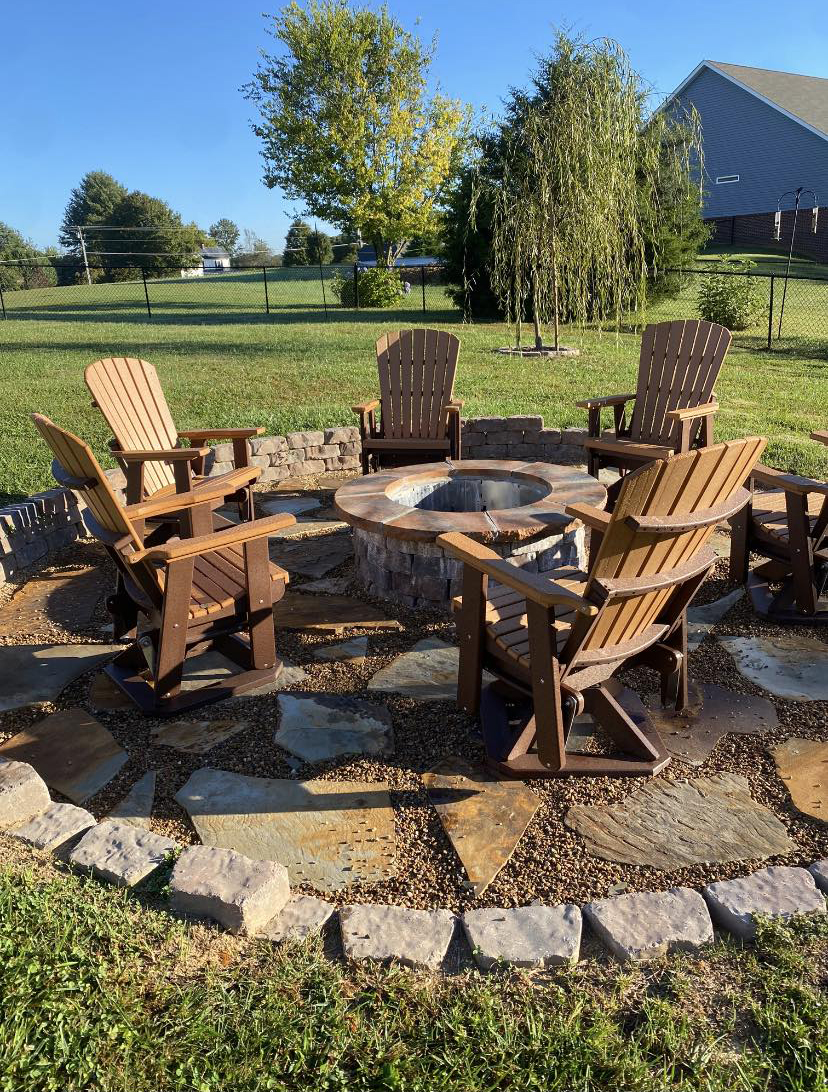
Planning an outdoor living space starts with how you actually want to use it — quiet evenings, entertaining, cooking, or all three — then working backward through site conditions, a patio or paver surface, a fire feature, shade, and the landscaping that ties it together. Getting the layout and drainage right before construction begins is what makes the space comfortable and durable for years.
- Start with how you plan to use the space, not with a list of features
- Site conditions — slope, sun exposure, and drainage — should shape the layout before materials are chosen
- A patio or hardscape surface, a fire feature, and shade are the three elements most outdoor living spaces build around
- Landscaping integrated around the hardscape, not added afterward, is what makes a space feel finished
- A phased plan lets you build now and add features later without redoing work
On This Page
- 01Start With How You Want to Use the Space
- 02Assess Your Site Before You Design
- 03Choose the Hardscape Surface
- 04Plan the Fire Feature and Gathering Area
- 05Add Shade and Structure
- 06Integrate Landscaping Around the Hardscape
- 07Consider Outdoor Kitchens and Advanced Features
- 08Build in Phases if You Need To
Start With How You Want to Use the Space
Before any design decisions are made, it helps to get specific about how the space will actually be used. A family that wants a place for kids to play and adults to grill is a different project than a couple planning quiet evenings by a fire pit, and both are different from a household that wants to host large gatherings several times a year. Walk your own yard and think through the moments you want to create: morning coffee, weeknight dinners outside, a fire pit on cool evenings, or a full outdoor kitchen for entertaining. These answers drive almost every decision that follows, including size, layout, and which features are worth prioritizing first.
Assess Your Site Before You Design
Slope, sun exposure, existing trees, and drainage all affect what is possible and what it will take to build it well. A flat, well-drained area close to the house is the simplest and most economical place to build. A sloped or low-lying area can still work, but it may need grading, a retaining wall, or drainage work before construction — details that are far easier to plan for up front than to discover mid-project. Pay attention to where water already flows and collects on your property after a rain. Building an outdoor living space in a wet spot without addressing drainage first is one of the most common and most preventable mistakes homeowners run into.
Choose the Hardscape Surface
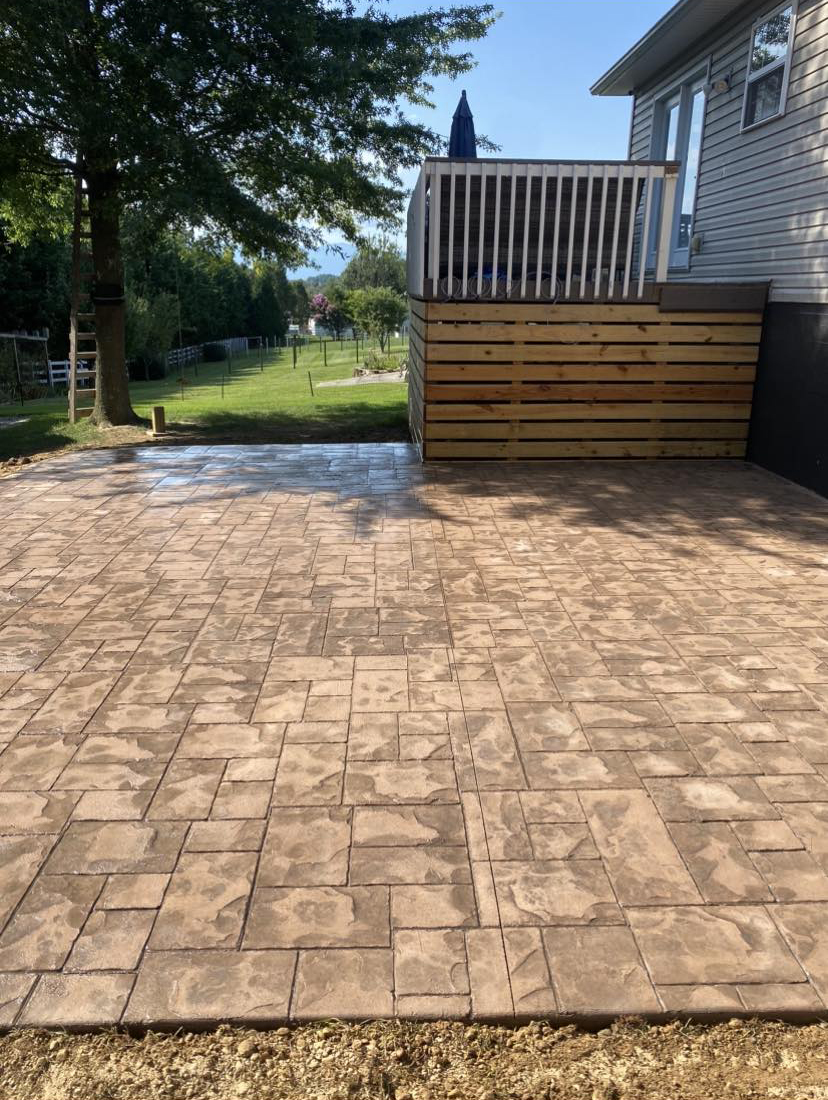
The patio or paver surface is the foundation of the whole space, literally and visually. Pavers, stamped concrete, and natural stone are the three most common choices, each with a different look, price point, and maintenance profile — our guide to Pavers vs. Concrete walks through the tradeoffs in more detail. Size the surface around furniture and traffic flow, not just square footage. A seating area, a dining area, and a walking path between them each need enough room to function without feeling cramped, which is easy to underestimate on paper.
Plan the Fire Feature and Gathering Area
A fire pit or fire feature is usually the anchor of an outdoor living space — the thing that draws people to sit down and stay. Deciding between a wood-burning fire pit, a gas fire pit, or a full outdoor fireplace early in the process affects the layout, since each has different clearance, seating, and structural requirements. If you are weighing fire pit against fireplace, see Fire Pit vs. Outdoor Fireplace for a closer look at how they compare for cost, footprint, and everyday use.
Add Shade and Structure
A pergola, shade structure, or covered seating area extends how many hours of the day and months of the year the space actually gets used. In East Tennessee summers, afternoon shade can be the difference between a patio that sits empty and one that gets used daily. Structures also help define the outdoor room visually, giving the space a sense of enclosure even without walls.
Integrate Landscaping Around the Hardscape
The landscaping around an outdoor living space is what makes it feel finished rather than like a slab dropped into the yard. Planting beds, screening for privacy, and a clear transition from lawn to patio all matter as much as the hardscape itself. We design landscaping and hardscaping together for this reason — adding plantings as an afterthought rarely looks as intentional as planning them alongside the patio layout from the start.
Consider Outdoor Kitchens and Advanced Features
Some homeowners want to build everything at once; others prefer to start with a patio and fire feature, then add an outdoor kitchen or additional seating in a later phase. If a kitchen is part of your longer-term plan, see What to Consider Before Building an Outdoor Kitchen for the utility, layout, and material questions worth answering before you build.
Build in Phases if You Need To
A phased approach — patio and fire pit first, pergola or kitchen later — can make a larger vision more affordable without compromising the end result, as long as the phases are planned together from the start. Retrofitting electrical, gas lines, or drainage into a finished patio later is far more disruptive than roughing them in during the first phase, even if you are not ready to build everything yet.
Frequently Asked Questions
Keep Reading
 Hardscaping
What Is Hardscaping? A Homeowner's Guide
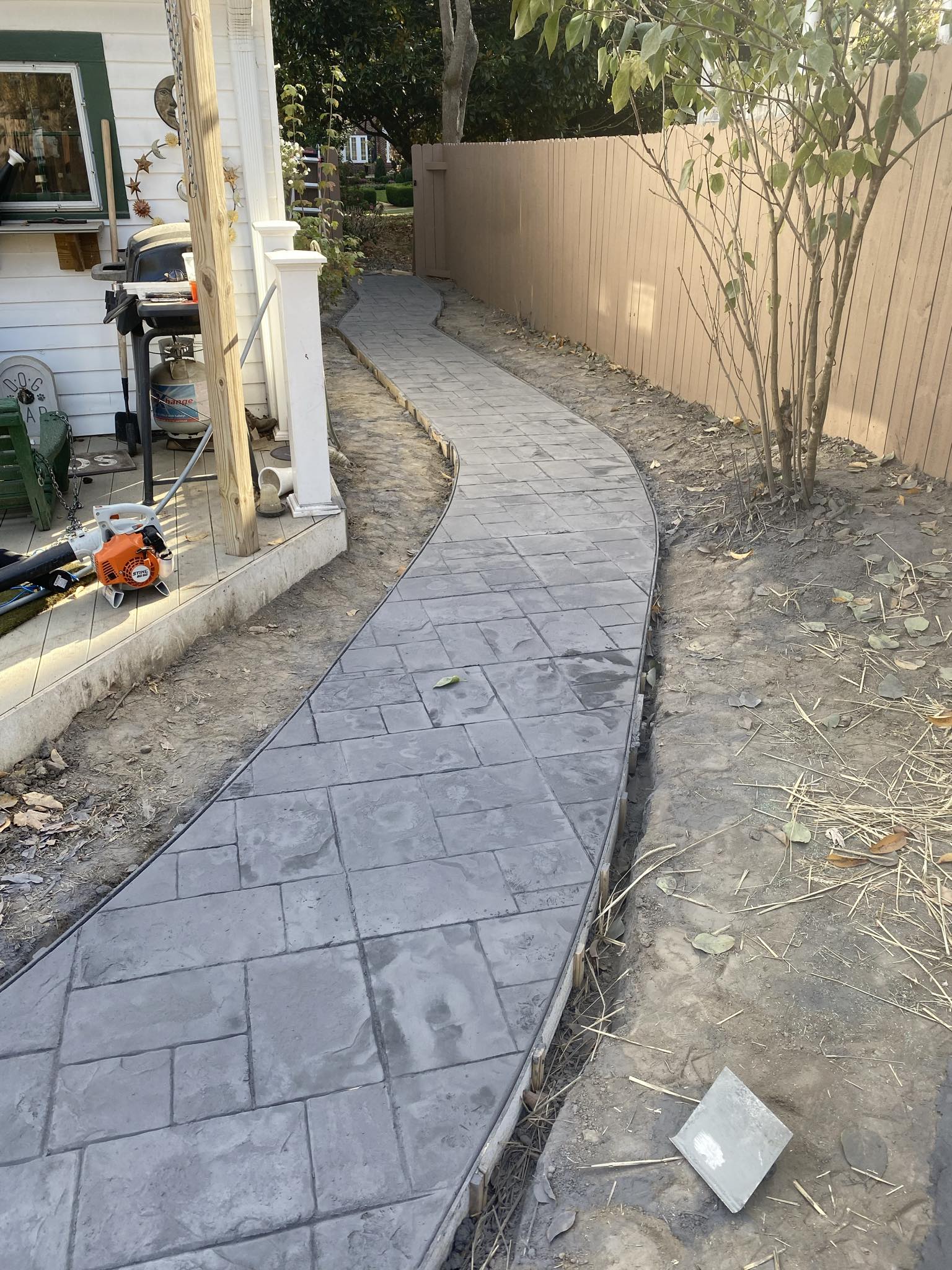
Hardscaping covers every built, non-living element of your property. Here's what it includes, why it matters, and how it works alongside landscaping.
Read More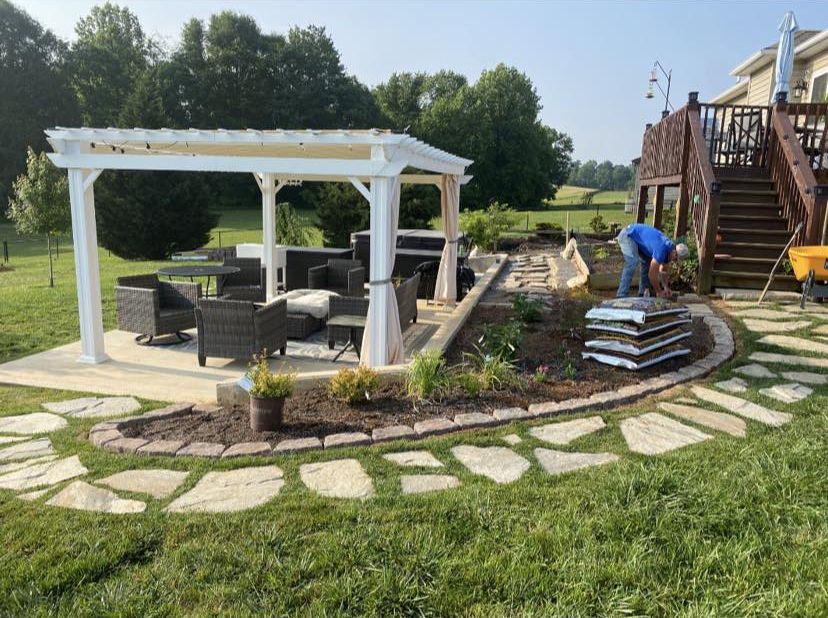 Outdoor Living
What to Consider Before Building an Outdoor Kitchen
An outdoor kitchen involves more planning than a grill and a counter. Here is what to think through on utilities, layout, and materials before you build.
Read More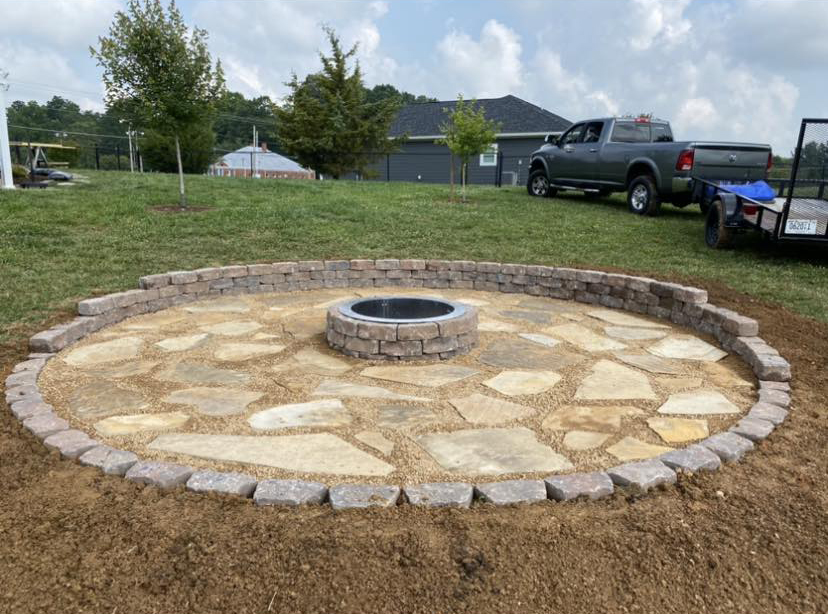 Outdoor Living
Fire Pit vs. Outdoor Fireplace: Which Is Right for Your Backyard?
Fire pits and outdoor fireplaces both anchor a gathering space, but they differ in footprint, cost, and how they get used. Here is how to choose.
Read More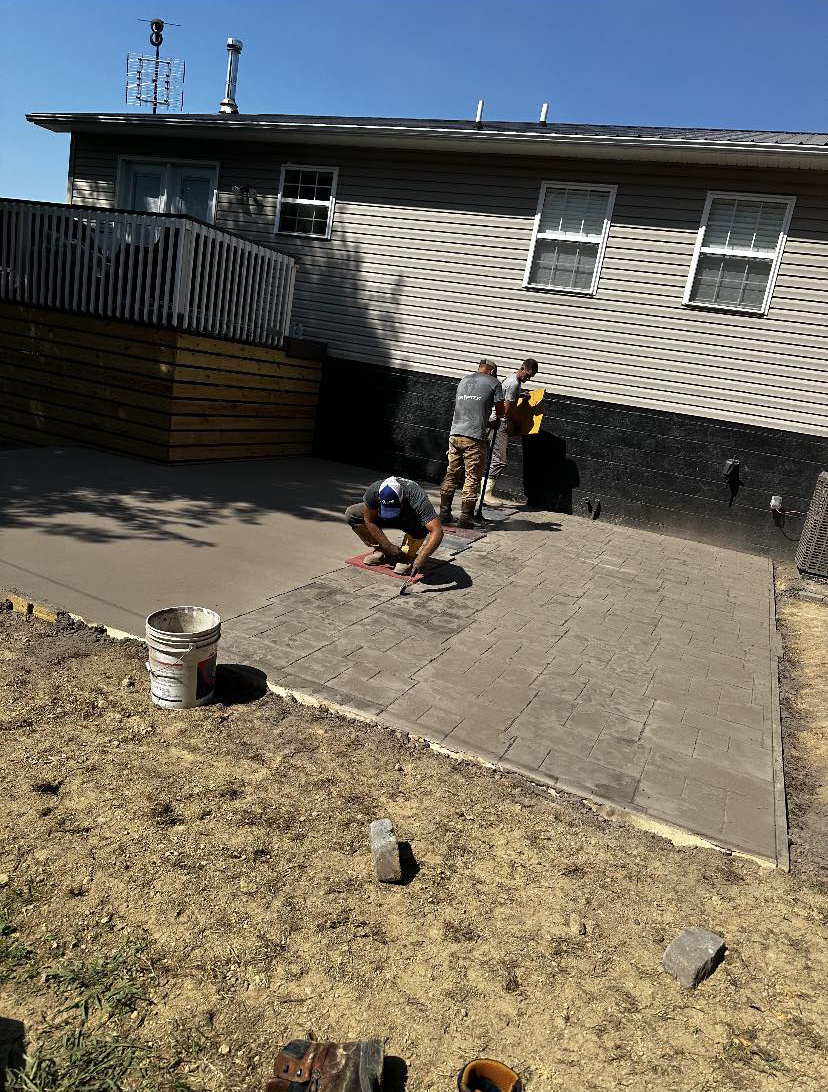 Pavers & Concrete
Pavers vs. Concrete: Which Is Better for a Patio?
Pavers and stamped concrete are the two most popular patio surfaces. Here is how they compare on cost, appearance, repairs, and long-term maintenance.
Read More