
Pavers & Concrete
Pavers vs. Concrete: Which Is Better for a Patio?
Published September 30, 2026
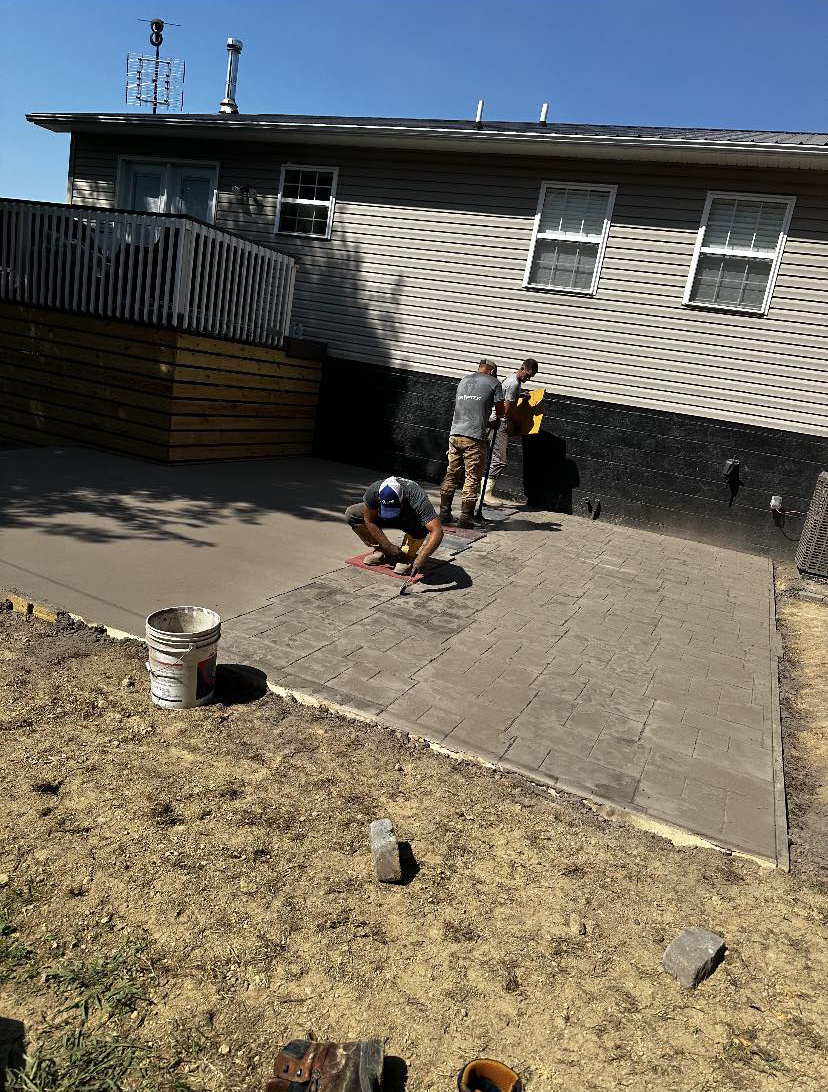
Both pavers and stamped concrete can create durable, attractive patios, and the better choice depends on your priorities. Pavers offer more pattern and color flexibility and allow individual sections to be repaired without redoing the whole surface. Stamped concrete provides a seamless, joint-free look at a different price point. Site conditions, budget, and desired maintenance level should all factor into the decision.
- Pavers are individual units that interlock; stamped concrete is a single poured, textured surface
- Pavers can be repaired one section at a time; damaged concrete usually requires patching or replacing a larger area
- Stamped concrete typically needs periodic resealing; pavers need joint sand replenishment and occasional releveling
- Both are durable when installed on a properly prepared and compacted base
- The right choice often comes down to budget, desired look, and how the surface will be used
On This Page
How Each Surface Is Built
Pavers are individual concrete (or natural stone) units laid in a pattern over a compacted gravel base and bedding sand, then locked together with joint sand. Stamped concrete is poured as a single continuous slab, then textured with patterned stamps while still workable and colored with an integral pigment, color hardener, or post-cure stain. Both approaches depend heavily on proper base preparation. A patio built on an improperly compacted base will eventually settle or crack, regardless of which surface material sits on top.
Appearance and Design Flexibility
Pavers offer a wide range of shapes, colors, and laying patterns, and their individual joints create visual texture that some homeowners prefer. Stamped concrete can be patterned and colored to resemble natural stone, brick, or tile, with a more continuous, seamless appearance since there are no visible joints.
Repairs and Long-Term Durability
This is often the deciding factor for homeowners. If a paver settles, cracks, or stains beyond cleaning, it can typically be lifted and replaced individually without disturbing the rest of the patio. If stamped concrete cracks, repairs are more visible and usually involve patching a section or living with the crack, since it is part of one continuous slab. Both surfaces are durable for decades when installed correctly, but pavers generally offer an easier repair path over the life of the patio.
Maintenance Differences
Stamped concrete typically needs periodic resealing, often every few years, to protect the color and finish from fading and moisture. Pavers need occasional joint sand replenishment and, less frequently, releveling if a section settles, plus periodic sealing if a sealed finish is desired. See How to Maintain a Paver Patio for a closer look at what paver upkeep actually involves.
Cost Considerations
Pricing for both surfaces depends heavily on size, pattern complexity, and site conditions, so a direct dollar comparison without a site visit is not reliable. For a breakdown of what actually drives patio pricing, see How Much Does a Patio Cost? Factors That Affect Pricing
Which One Is Right for Your Property
If you want the ability to repair individual sections, more pattern variety, or a textured look, pavers are usually the better fit. If you want a seamless surface with fewer visible joints and are comfortable with periodic resealing, stamped concrete is a strong option. We walk through both during an on-site estimate so the recommendation is based on your specific patio, not a generic rule of thumb.
Frequently Asked Questions
Keep Reading
 Pavers & Concrete
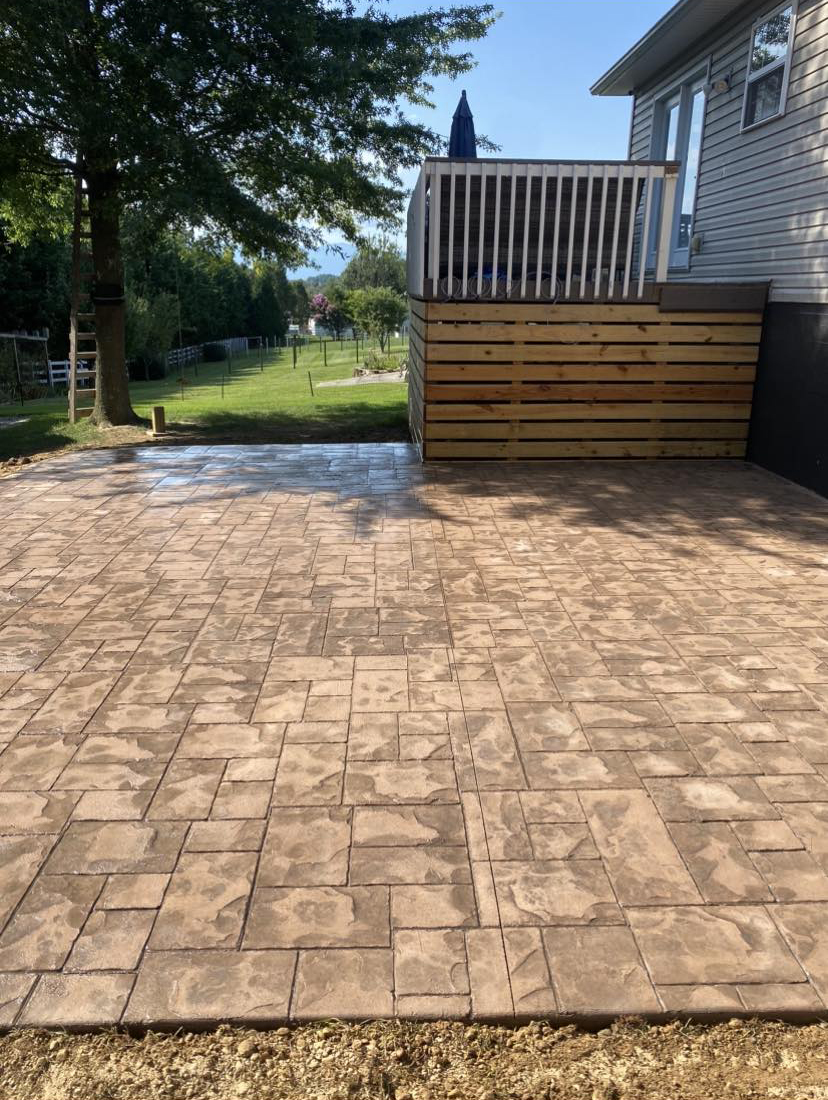
How Much Does a Patio Cost? Factors That Affect Pricing
Patio pricing varies based on size, material, and site conditions. Here are the factors that actually drive the cost of your project.
Read More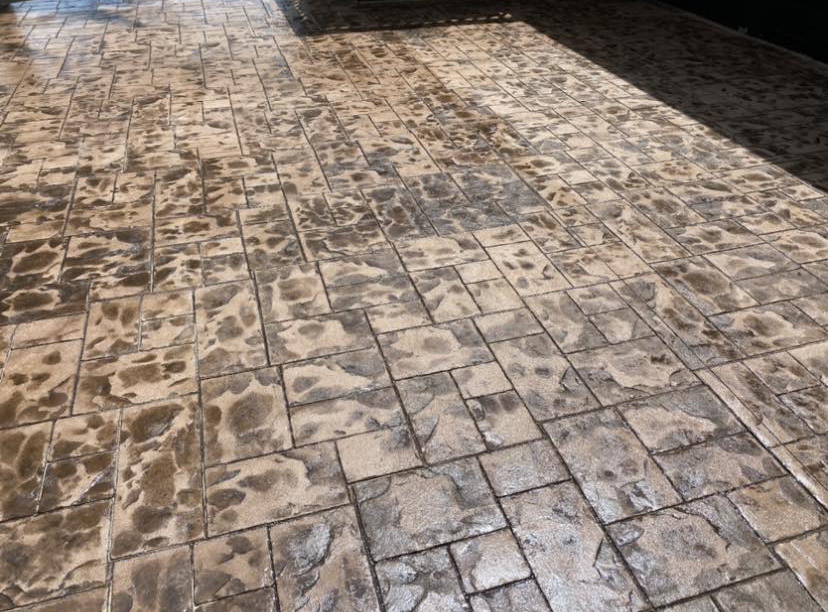 Pavers & Concrete
What Is Stamped Concrete?
Stamped concrete gives you the look of stone or brick with the installation process of poured concrete. Here is how it works.
Read MoreMaintenanceHow to Maintain a Paver Patio
A paver patio built on a proper base can last for decades with the right ongoing care. Here is what that maintenance actually involves.
Read More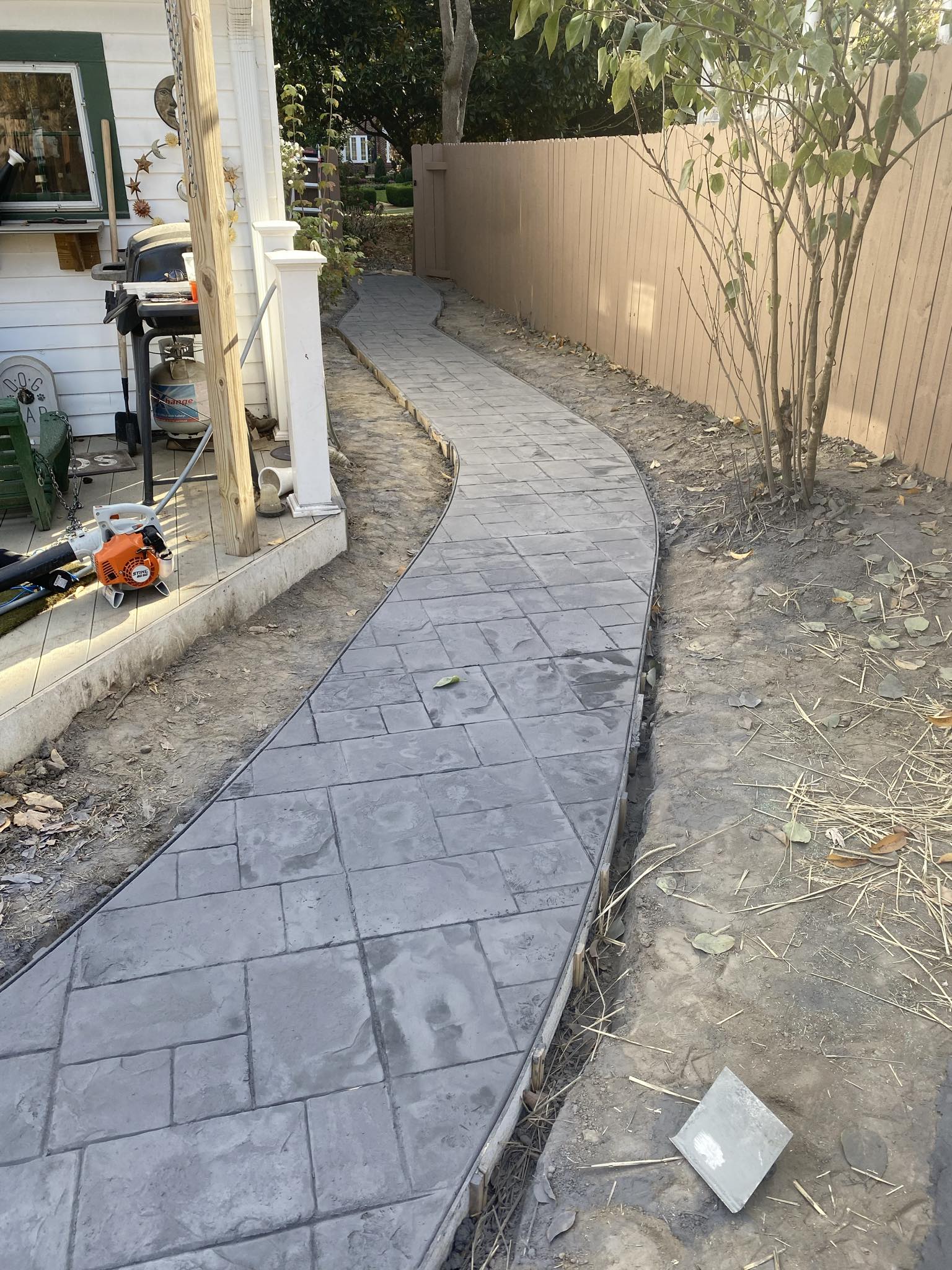 Hardscaping
What Is Hardscaping? A Homeowner's Guide
Hardscaping covers every built, non-living element of your property. Here's what it includes, why it matters, and how it works alongside landscaping.
Read More