Hardscaping
What Is Hardscaping? A Homeowner's Guide
Published September 30, 2026
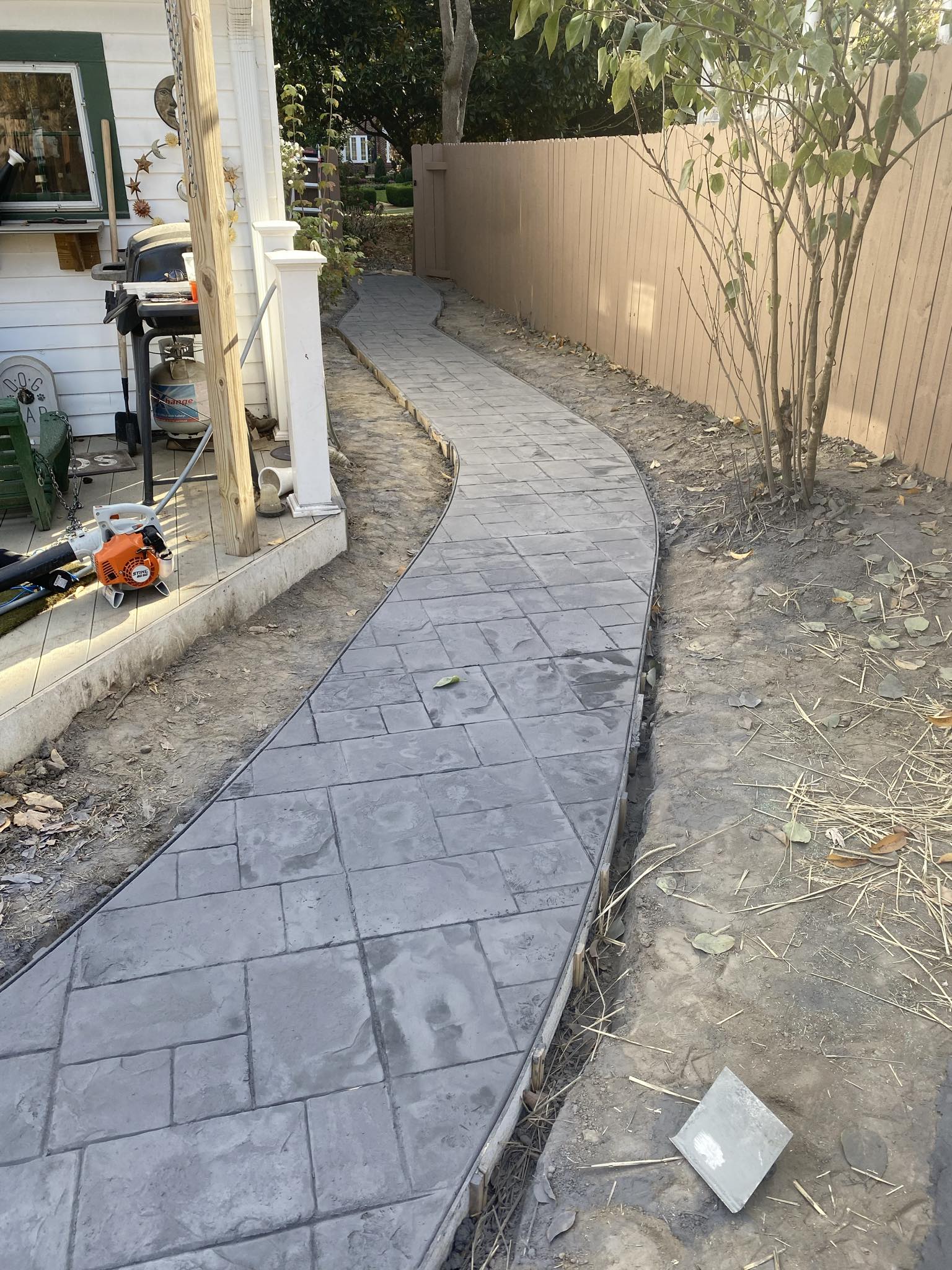
Hardscaping refers to the built, structural elements of a property — patios, walkways, retaining walls, and fire features — as opposed to landscaping, which covers the living, plant-based elements like lawns and beds. Hardscaping defines how a property functions: where you walk, sit, and manage grade changes, and it needs to be engineered correctly to hold up over time.
On This Page
Hardscaping vs. Landscaping
The simplest way to separate the two: if it grows or changes with the seasons, it is landscaping; if it is built and stays put, it is hardscaping. Lawns, trees, shrubs, and planting beds are landscaping. Patios, walkways, retaining walls, and fire pits are hardscaping. For a fuller comparison, including why most properties benefit from both working together, see Landscaping vs. Hardscaping: What's the Difference?
What Hardscaping Actually Includes
Hardscaping covers a wide range of elements beyond just patios. Common categories include:
- Patios and paver or stamped concrete surfaces
- Walkways and pathways connecting different areas of the property
- Retaining walls that manage grade changes and erosion
- Fire pits and other fire features
- Driveways and parking areas
- Seating walls, steps, and other structural landscape elements
Why the Base Matters More Than the Surface
The single biggest factor in whether a hardscape lasts for decades or starts heaving and cracking within a few seasons is what happens before the first stone or slab goes down: excavation, proper base material, compaction, and grading for drainage. A beautiful paver pattern or stamped concrete finish on a poorly prepared base will eventually fail. This is also why hardscaping is not usually a good candidate for shortcuts — the parts that determine long-term performance are invisible once the project is finished.
Retaining Walls and Grade Changes
Many properties have slopes, grade changes, or areas prone to erosion that hardscaping is specifically suited to solve. A retaining wall holds back soil, creates usable level space, and can prevent erosion from washing out a slope during heavy rain. If you are not sure whether your property needs one, see Retaining Walls: When Does Your Property Need One?
Materials Used in Hardscaping
Concrete pavers, stamped and stained concrete, natural flagstone, and retaining wall block are the most common materials, each offering a different balance of appearance, cost, and maintenance. See Pavers vs. Concrete: Which Is Better for a Patio? for a direct comparison of the two most popular patio surfaces.
How Hardscaping and Landscaping Work Together
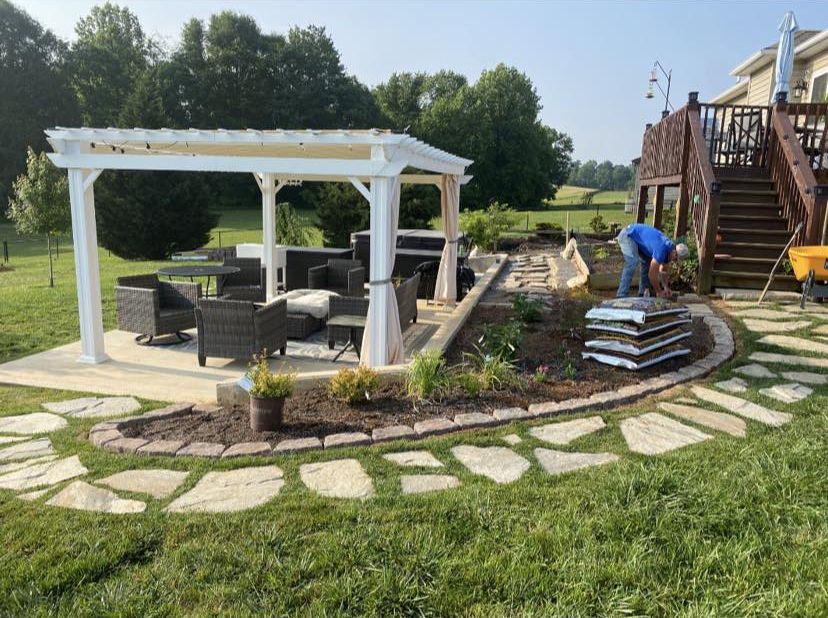
A hardscape without any landscaping around it can feel unfinished and stark, while landscaping without hardscaping often lacks a place to actually sit, walk, or gather. The most successful outdoor spaces plan both together, so paths lead somewhere intentional, walls double as planting opportunities, and patios are framed by beds rather than sitting in open lawn.
Frequently Asked Questions
Keep Reading
 Landscaping
Landscaping vs. Hardscaping: What's the Difference?
Landscaping and hardscaping are the two halves of a well-designed property. Here is what each one covers and how they work together.
Read More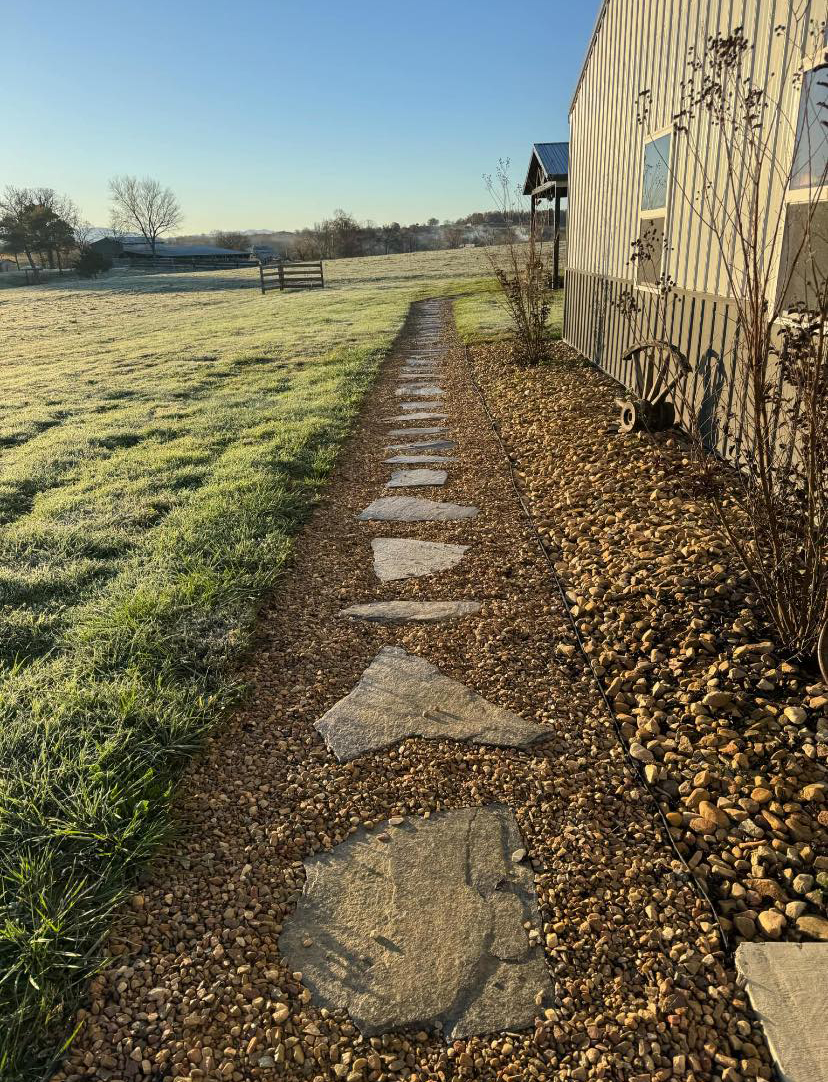 Hardscaping
Retaining Walls: When Does Your Property Need One?
Retaining walls solve grade changes, erosion, and unusable sloped space. Here are the signs your property might need one.
Read More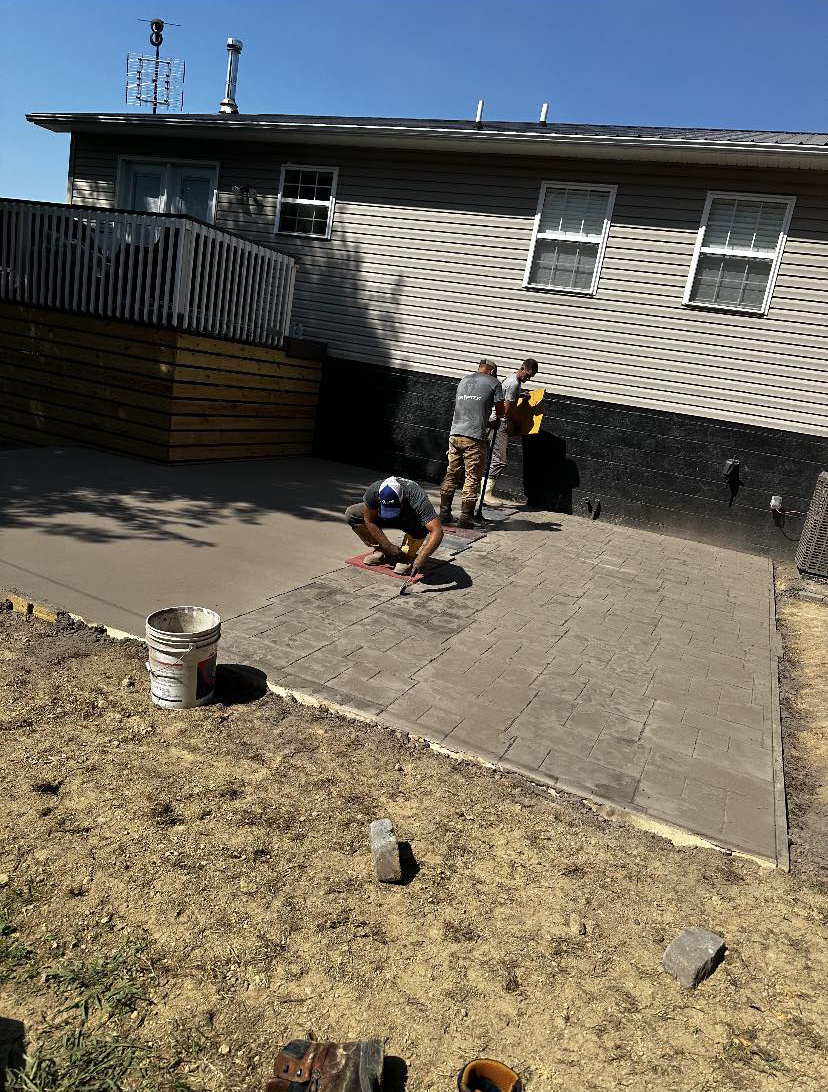 Pavers & Concrete
Pavers vs. Concrete: Which Is Better for a Patio?
Pavers and stamped concrete are the two most popular patio surfaces. Here is how they compare on cost, appearance, repairs, and long-term maintenance.
Read More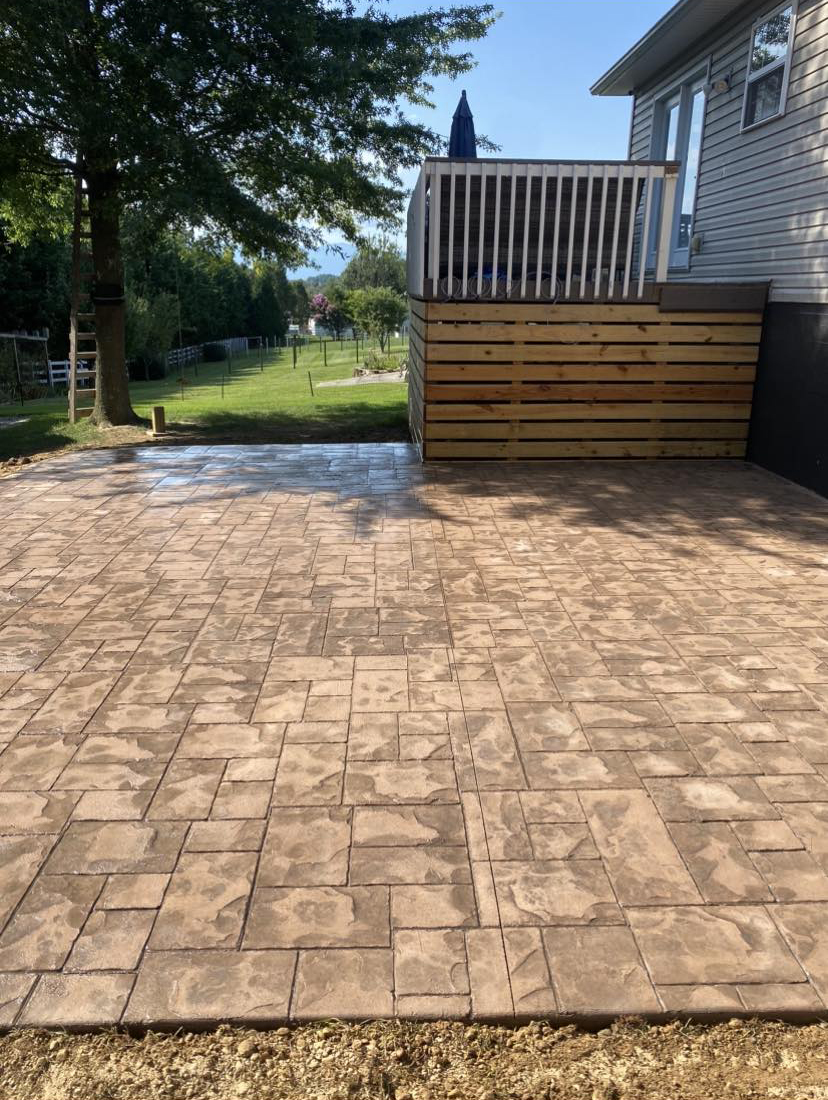 Pavers & Concrete
How Much Does a Patio Cost? Factors That Affect Pricing
Patio pricing varies based on size, material, and site conditions. Here are the factors that actually drive the cost of your project.
Read More